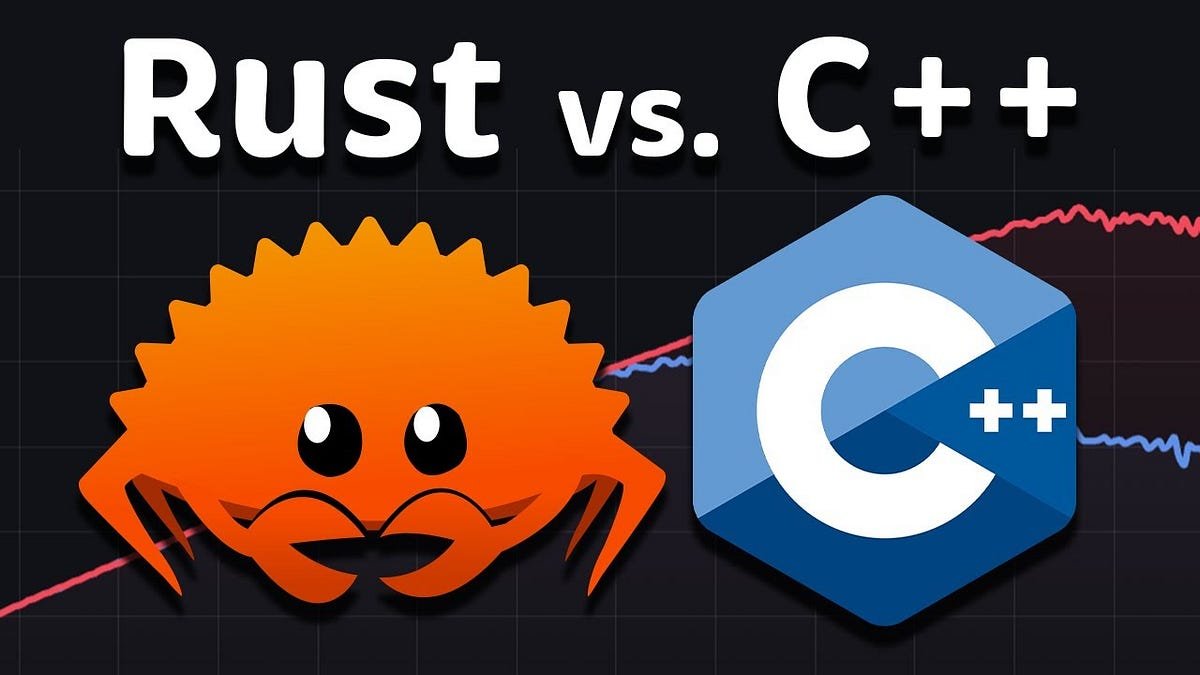
The Memory Safety Mandate In early 2026, several major government agencies (including the US CISA) issued a formal recommendation: Cease the use of memory-unsafe languages like C and C++ for critical infrastructure. This has catalyzed a massive migration to Rust.
Why Rust Wins in 2026:
- Zero-Cost Abstractions: Rust provides the same performance as C++ but with a “Borrow Checker” that prevents 70% of the bugs that cause security vulnerabilities.
- The WebAssembly (Wasm) Edge: Rust is the primary language for Wasm, allowing high-performance code (like video editors or 3D engines) to run directly in the browser at near-native speeds.
- Developer Happiness: For the 11th year in a row, Rust is voted the “Most Loved” language. Its tooling (Cargo) and error messages are significantly more helpful than the fragmented C++ ecosystem.
The Learning Curve While Rust is notoriously difficult to learn, 2026 has introduced AI-Driven Rust Tutors that analyze your code in real-time, explaining ownership and borrowing concepts as you type. If you are a developer, learning Rust is the single best “future-proofing” move you can make today.